Young people often experience overwhelming emotions that can feel like a storm inside them. The TIPP skill is a helpful method to help them calm down and think more clearly during these challenging moments. It involves changing your body chemistry, such as body temperature, heart rate, and breathing, to reduce feelings of overwhelm.
TIPP stands for: Temperature, Intense exercise, Paced breathing, and Paired muscle relaxation.
Temperature
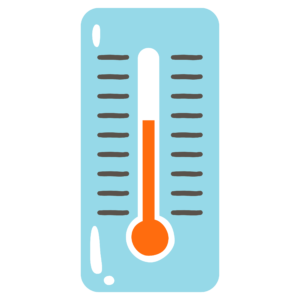
Changing your body temperature can have an immediate calming effect. When we experience emotions like anger or anxiety, our bodies tend to feel warm. By doing the opposite and cooling our bodies down, we can help ourselves calm down.
Examples:
- Hold an ice pack.
- Splash cold water on your face.
- Hold a cold drink.
- Take a cold shower.
- Place a cold cloth on your neck.
This sudden change in temperature can help young people feel more in control of their emotions.
Intense Exercise
Engaging in short bursts of intense exercise can help burn off excess energy and reduce emotional intensity.
When we feel angry, anxious, or panicky, our bodies often experience a release of energy. Intense exercise helps channel and release this build-up energy, similar to how animals shiver after a chase to dispel excess energy. Physical activity also shifts our focus away from intense emotions, promoting a sense of calm.
Examples:
- Hold a plank.
- Do Jumping Jacks
- Sprint down the street.
- Run up the stairs.
- Dance.
Stimming is also an excellent way for neurodivergent young people to regulate and release built-up energy. Some examples of stimming include tapping fingers or feet, fidgeting, twirling their hair, and bouncing their leg.

Paced Breathing
Slowing down your breathing can help create a sense of calm.
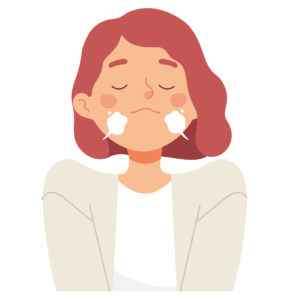
When we’re upset, our breathing often becomes quick and shallow. By taking slow, deep breaths in a pattern, we signal our body to calm down. This technique can help lower our heart rate and help us to feel more in control of our emotions.
Example:
Teach your young person to practice box breathing by inhaling deeply through their nose for four seconds, holding their breath for 4 seconds, exhaling slowly through their nose for 4 seconds, and then pausing for another 4 seconds before the next inhale. Repeat this cycle a few times.
Paired Muscle Relaxation
Tensing and then relaxing different muscle groups can help release the built-up tension in our bodies. When we are anxious, stressed, or upset, our muscles can become tight without us even realising it. This technique may help young people to become more aware of and release that tension.
Examples:
- Guide your young person to start with their toes, tensing the muscles for five seconds, and then relaxing them. Move up through each muscle group (feet, legs, stomach, arms, and neck). This practice can be done sitting or lying down.
- Encourage your young person to take a deep breath, tense their whole body for a few seconds, and then relax it by allowing their bodies to go limp. Hot tip: This strategy is also called ‘Sloth Breathing’. You can tell your young person to imagine they are a sloth tensing their whole body and then relaxing it like a sloth.
These skills are effective tools to swiftly transition the body from extreme emotional states to a more balanced state, providing young people with practical ways to manage overwhelming feelings.