Have you ever noticed your mind wandering while doing something familiar, like driving to work or brushing your teeth? It’s like your body is on autopilot while your mind is off somewhere else – perhaps revisiting something that happened earlier or worrying about all the things we need to do today.
Mindfulness is the opposite of being on autopilot.
It means being fully present in the moment – really tuning in to what’s happening right now.
When we practice mindfulness, we start to notice what’s happening around us, what we’re feeling in our bodies, and the thoughts that come and go.
One simple way to do this is by using our senses. Just paying attention to what we can see, hear, smell, or feel in the moment can help bring us back to the present.
The teenage years can feel like a rollercoaster, filled with pressures and challenging moments. It’s easy for teens to get stuck in unhelpful thoughts and painful feelings, which can make it hard to focus on anything else. That’s where mindfulness comes in. It helps reduce stress, improve focus, and build resilience when life feels overwhelming. And the best part? Mindfulness is a skill anyone can practise, anytime – just a few small moments a day can make a real difference.
Here are 10 simple strategies to help your teen weave mindfulness into their everyday lives:
1. In a Car
Bring Back “I Spy with My Little Eye”
Remember the fun of playing “I Spy” on long car rides? It’s time to bring that game back! When you’re driving your teen to school, it can be a perfect way to practice mindfulness together.
For many teens, heading to school can bring a lot of anxiety. The pressure to perform, the worry about friendships, and just the hustle and bustle of the school day can feel overwhelming. Playing “I Spy” can help your young person feel grounded in the present moment.
As you drive, take turns with your young person to describe an object that you see, beyond the simple letter cue. For example, instead of saying “I spy something beginning with D”, try using descriptive, sensory language like “I spy something fluffy and white”. Encourage your teen to fully engage in the act of observing their surroundings, rather than racing to guess the object.
If you want to extend this further, you could try playing “I Spy Emotions”. For this, prompt your teen to describe an object in terms of how it makes them feel. For example, “I spy something that makes me feel excited”. Once the object is guessed, this opens the door to have further discussions about how and why they think the object might elicit certain emotions. This is a fun way to help teens reflect on how they feel, without pressure!
2. During mundane, everyday activities
Mindfulness doesn’t have to be a big, formal practice. It can be woven into everyday activities. You could encourage your teen to try mindfulness whilst doing simple things such as:
- Cooking a Meal: Involve your teen in preparing a meal. Draw their attention to the colours, textures, and smells of the ingredients. Cooking together can be a fun way to connect and practice mindfulness.
- Eating and drinking: Share a meal or hot tea with your teen. Bring their awareness to the taste, texture, and smell of the food or drink. Feel the weight of the food or cup in your hand. Be slow and savour each bite or sip. Intentionally notice how the food/ drink looks and smells, and the flavours and feelings in your mouth. Take the time to consider how you feel as you are eating/ drinking, and truly enjoy the experience!
- Walking: Whether walking to class or taking the dog outside, your teen can pay attention to the rhythm of their steps, how their body feels with each movement, and the sights and smells around them. If their mind wanders, encourage them to acknowledge their thoughts, and gently direct their attention back to their senses as they walk.
- Waiting: Instead of reaching for their phone while waiting for an appointment or in line, ask them to notice their breath, their surroundings, or just check in with how they’re feeling.


The key is to make mindfulness a natural part of their routine—just a simple way to pause, breathe, and be present.
3. Engaging in hobbies mindfully
Hobbies are naturally enjoyable, but incorporating mindfulness can add a sense of calm!
Ask your young person what hobby they might be interested in. Encourage them to intentionally focus on the details of the activity and the sights, sounds, smells, and sensations in the moment.
For example, if your teen plays an instrument, they could tune into how the instrument looks and feels in their hands and what sounds it makes. Prompt them to observe how engaging in their hobby affects their emotions. When feelings or thoughts pop up, reassure them that this is normal, and encourage them to guide their attention back to the hobby.
Here are some ‘mindful hobbies’ that your teen could try (and some prompts to get them started!):
- Puzzles – Pay attention to the feeling and shape of the pieces and colours in the image.
- Arts & crafts – Feel the texture of the craft items, the smell of glue, and the sound of the scissors cutting paper.
- Painting/ drawing – Focus on the weight of the paintbrush, how the colours look, the smell of paint, and the sound of the brush on canvas.
- Photography – Notice the weight of the camera, the details of the image, the sounds around.
- Pottery – Feel the texture of the clay and how it moves and feels in your hands.
- Gardening – Smell the dirt and grass, hear birds, and feel the ground under your knees.
- Crochet/ knitting – Notice the shape and weight of the needles in your hands and the colour and texture of the wool.
Prompt your teen to observe how the hobby affects their mood and body. Remind them: it’s not about being perfect—it’s about being present.
4. While Colouring
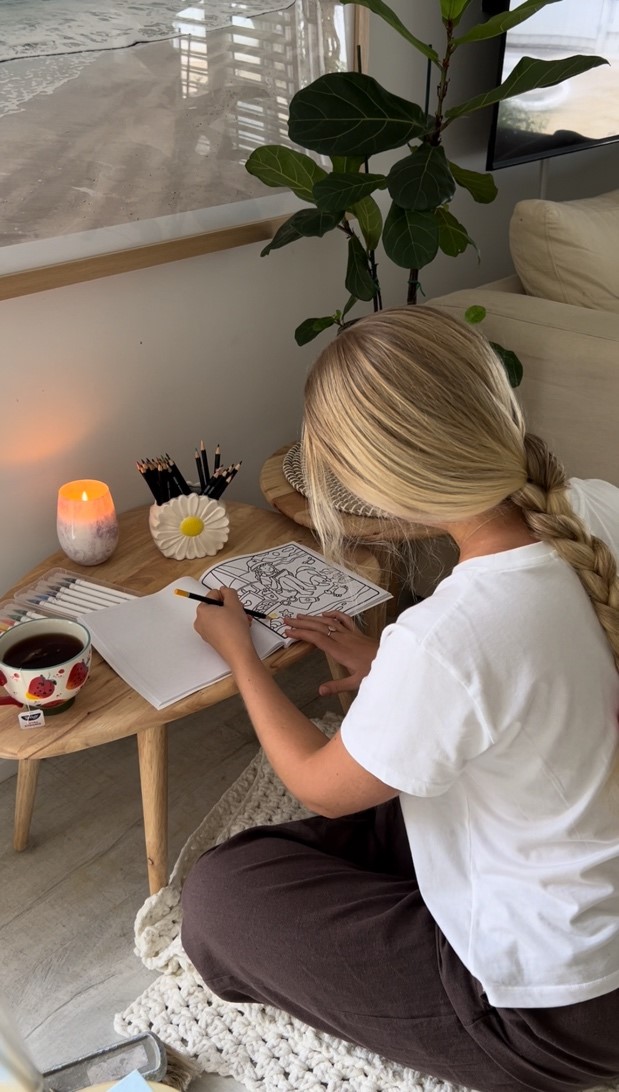
Despite what you might think, colouring in isn’t just for kids! For those with a creative flair, mindful colouring can be a fun and relaxing way to practise mindfulness. It’s not about colouring inside the lines; it’s about being present in the moment.
Encourage your teen to focus on the details, shapes, and patterns in the picture, the feel of the pen gliding across the page, and what the colours remind them of. Prompt reflection about what catches their eye in the image and how the colours interact.
When their mind wanders (and it will!), gently guide them to notice what is coming up for them and then bring their attention back to the experience of colouring.
To access a full guided ‘Mindfulness Colouring’ script, check it out on the MiiND website, here!
5. Spending time outdoors
Getting outside and in nature is a powerful way to get out of ‘autopilot’ mode and into the here and now. Nature-based mindfulness practice can be as simple as getting your teen to stand outside on the grass for a few minutes and engage with their senses.
An easy way to do this is the ‘5-4-3-2-1’ grounding activity:
- Notice 5 things you see. This could be the trees or buildings around, or the birds flying above. Pay attention to the size, shape, colour, and texture of the objects-
‘How pretty are these flowers I saw on my last grounding walk?’
- Notice 4 things you can touch. Maybe the feeling of clothes on your body, the grass under your feet, the sun on your skin, or a cool breeze. What is the texture and temperature?
- Notice 3 things you can hear. This could be traffic, people talking, or birds chirping. Observe where the sound comes from, and the loudness and pitch.
‘The sound of the crashing ocean waves were a highlight on my last grounding walk!’
- Notice 2 things you can smell. Maybe flowers, soil, or the salty ocean. Is it a strong or weak scent? Pleasant or unpleasant?
- Notice 1 thing you can taste, perhaps your toothpaste or coffee.


If you have more time, here are some other creative, nature-based mindfulness activities you could try with your teen:
Flower Walk
This is our personal favourite!
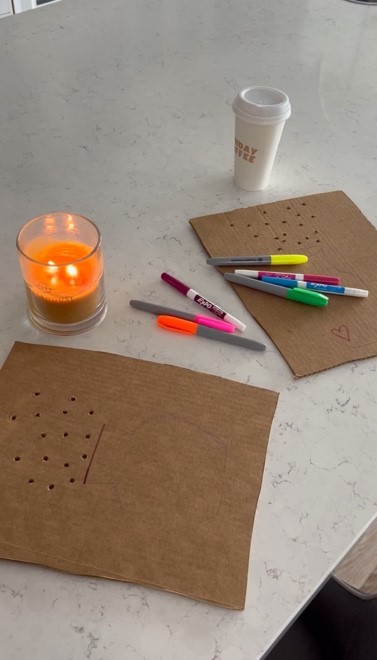
To do this activity, you will need:
- A piece of cardboard,
- markers or pencils,
and a skewer or scissors:
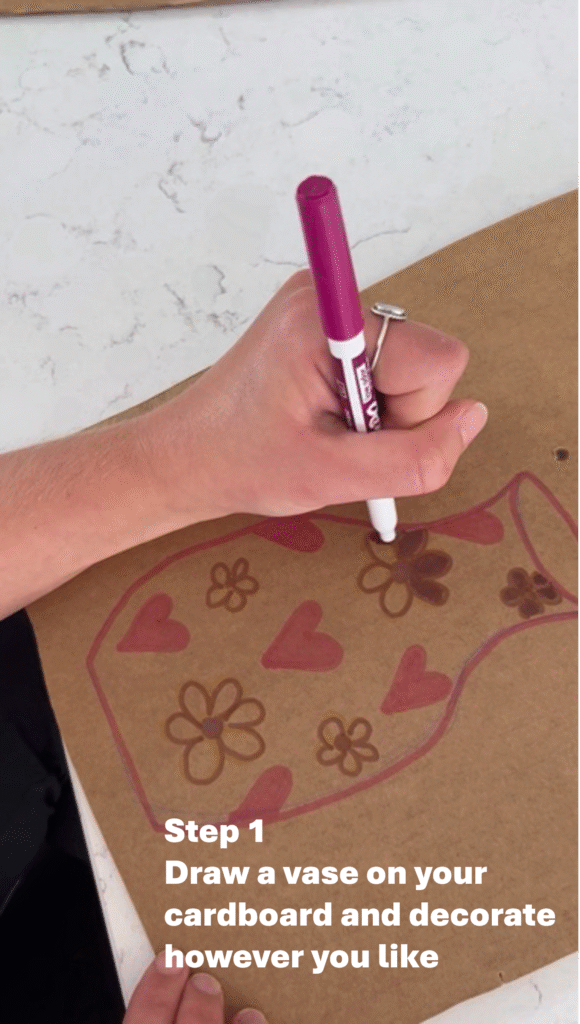
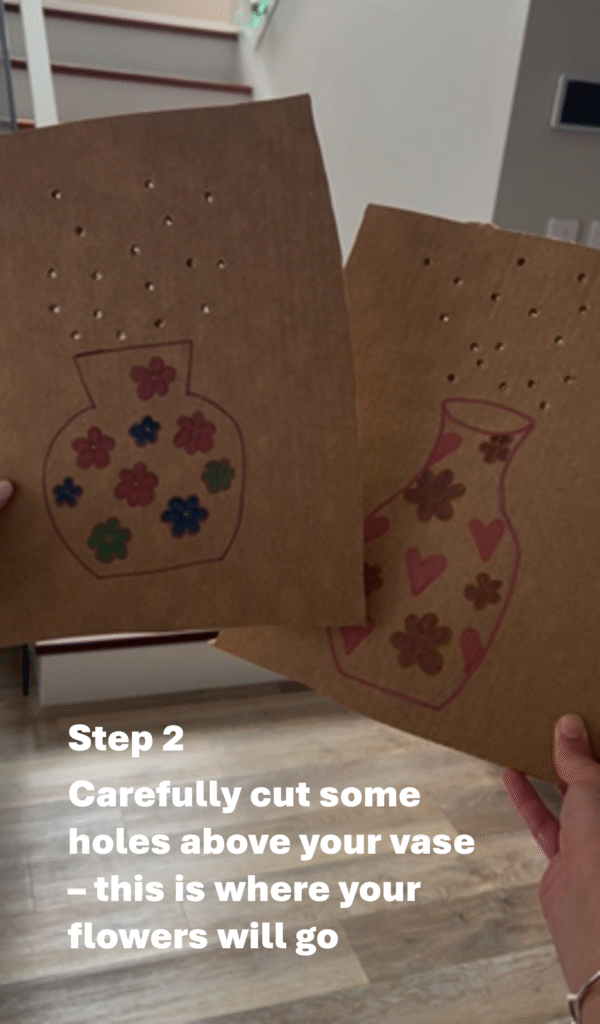
Follow the steps
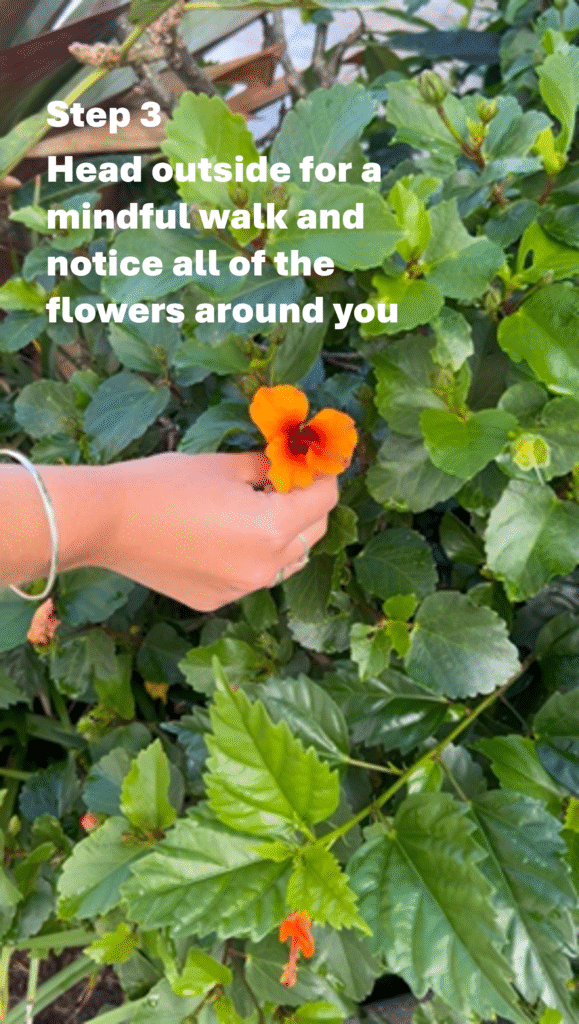
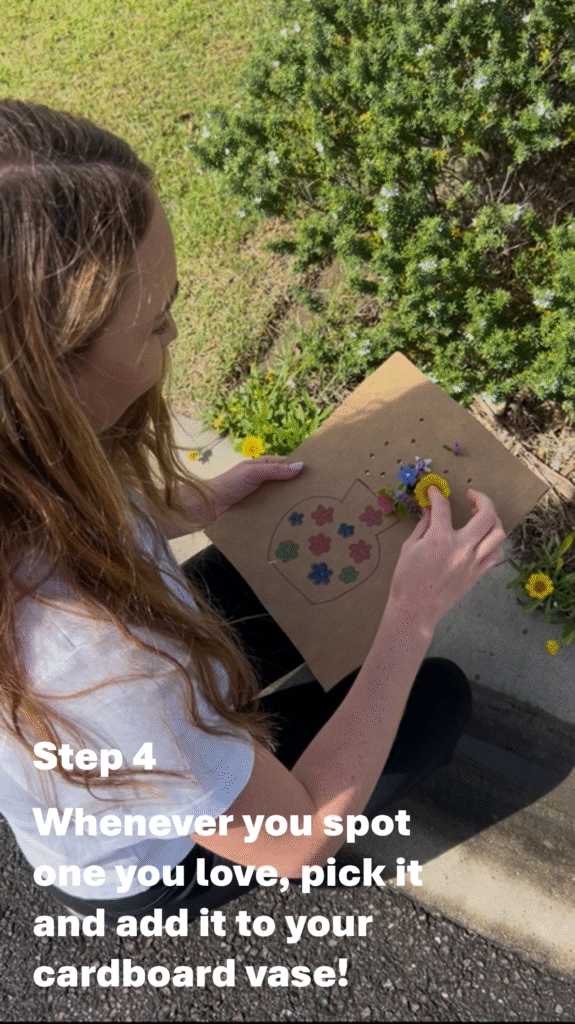
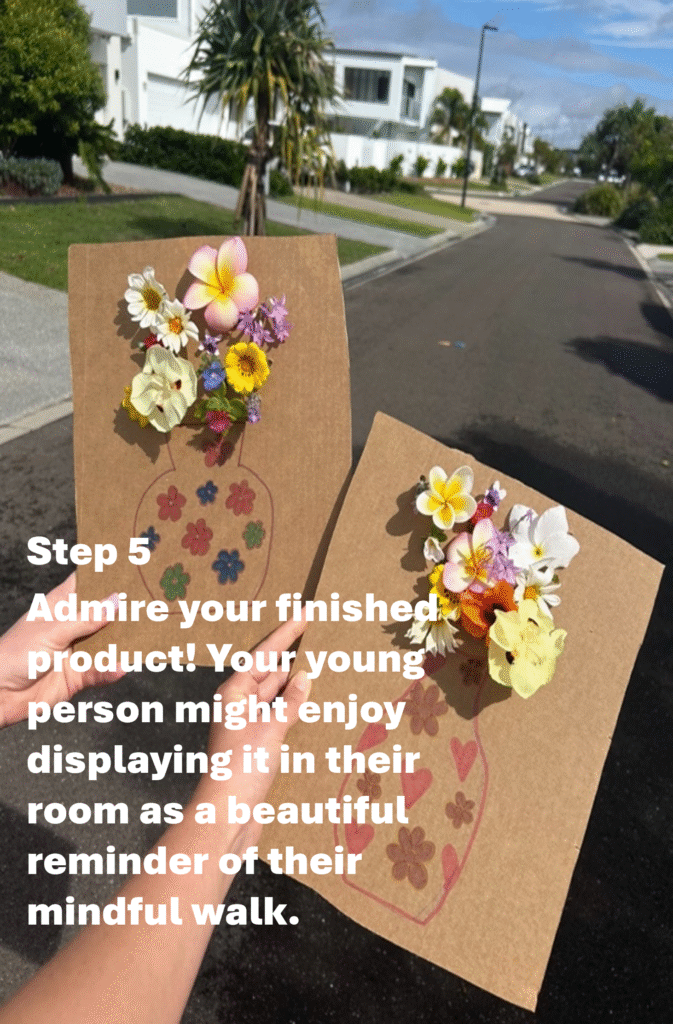
Colour Walk
When I tried this activity out with a friend, we were genuinely amazed by how many flowers were growing in a street we visit regularly, that we never noticed before! It’s incredible how this activity really helps you to slow down and connect with nature. Even better, the end result looks so pretty! This activity is such a fun way to connect with your teen.
Visit MiiND on Instagram, Facebook, or TikTok to watch our video about this activity!
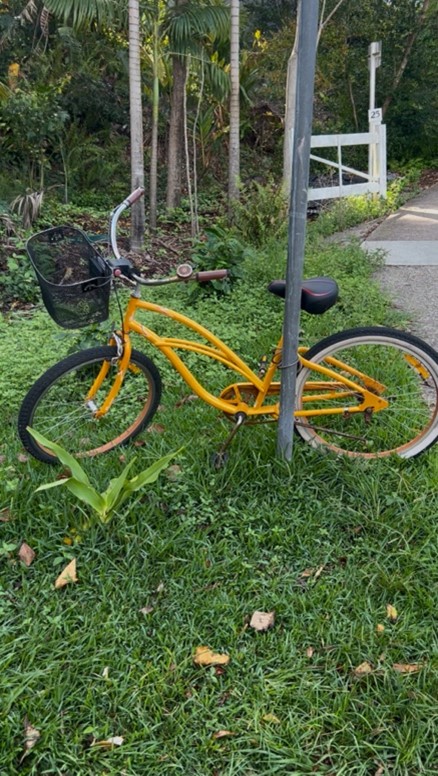
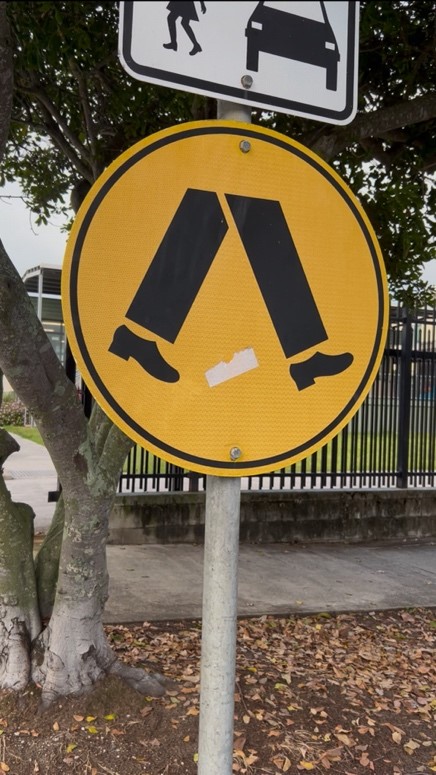
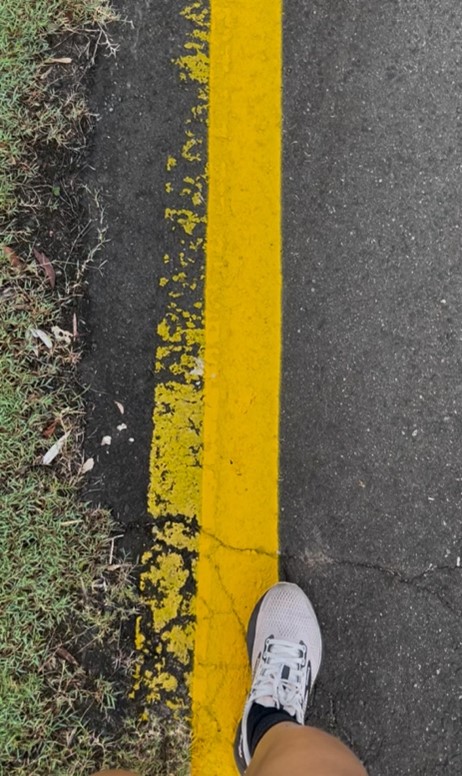
This is another fun activity to help your young person discover how much colour is hidden in their day! Have your teen pick their favourite colour, before going on a walk together. Look around and notice each time you spot the colour. If your young person starts thinking about something else, that’s normal! Gently guide their attention back to the activity.
On my last colour walk, I chose the colour yellow. Here are some of the yellow things I saw….
Cloud Watching
A more relaxing way to practice mindfulness is to do cloud watching. Lay down in a safe space beside your teen. Encourage them to observe the clouds floating past, noticing the shapes of the clouds, and how they change over time. Prompt your young person to use their imagination – what patterns can they see? If their mind wanders to different things, remind your teen not to judge themselves, and encourage them to let their thought ‘float away’, just like a cloud passing in the sky.
These activities promote sensory awareness and connection to the environment!
6. Listening to music
Music is a powerful mindfulness tool, helping us ‘tune in’ to the present moment (no pun intended!). Whether in the car, house, or sitting around, let your teen pick a favourite song, and listen to it with them. The goal is to listen with your entire body, not just your ears!
Alongside your teen, bring your full attention to the sounds: the rhythm, speed, pitch, and voices. If you want to move your body in a certain way (e.g., sway, tap toes), go for it, and encourage your teen to do the same! Really focus on how the music influences your thoughts, feelings, and bodily sensations. When other thoughts or feelings arise, reassure your teen that this is normal, and prompt them to re-focus on the music.
Afterwards, discuss whether the song shifted your and your teen’s emotions and how it felt in their body. Reflect on the thoughts and feelings that arose for them, and any parts of the song that they particularly enjoyed.
This activity can be practised together, but it can prompt your teen to listen to music more mindfully in their own time, which can make a huge difference to how they feel day-to-day!
7. During physical activity
Mindful movements are great for the body and mind. A recent study found that incorporating physical activity and mindfulness is potentially more effective for improving mental health and wellbeing than each approach alone!
So how can you support your teen to practice mindful movement?
Prompt your teen to consider what movement they find enjoyable. This could be slow, gentle movement like stretching or walking, or even more intense exercise, like running.
The goal of mindful physical activity is to stay anchored in the present by paying attention to the sights, sounds, thoughts, and bodily sensations as they come and go. Yes, this means without listening to music, which can be tricky!
Encourage your young person to intentionally bring their focus to the experience of moving their body, noticing any thoughts, emotions, or physical sensations that pop up.
It is normal for unhelpful thoughts to pop up where your teen may find themselves thinking about something else, worrying about what they look like, or judging their exercise (e.g., “I’m not good at this”, “I’m not flexible or fast”).
When this happens, support your teen to develop an attitude of acceptance and non-judgement to how they feel as they engage in the movement. Remind them not to get caught up in the thoughts – just observe them as they are and come back to the movement.
Afterwards, prompt some reflection with questions such as:
- How did the movement affect your breath, and vice versa?
- Do your emotions or body feel any different now compared to before?
- What sounds, sights, and smells did you notice around you?

8. Journalling
Mindfulness journalling is about being grounded in the present moment by writing down your thoughts, feelings, and experiences, without self-criticism or judgement. It’s not about getting it perfect or following a plan. Instead, it’s about freely expressing whatever is on your mind!
Encourage your young person to find a quiet space where they feel comfortable. Invite them to take a few slow, deep breaths to centre themselves, then begin writing whatever comes to mind — whether that’s a happy moment, a stressful thought, or just how their day has been. Remind them there’s no need to analyse or fix anything — just let the words flow.
Finish up the practice by prompting your teen to reflect on something they are grateful for, no matter how big or small! This could be a yummy sandwich they ate for lunch, a game of fetch they had with their dog, or kind words from their friend.
Practicing mindfulness journalling regularly can support emotional awareness, reduce stress, improve mood and build resilience —it is a valuable tool for supporting your teen’s mental health.
9. Mindful breathing
For those who prefer a more ‘formal’ practice, mindfulness breathing is a great way for your young person to check in with their mind and body.
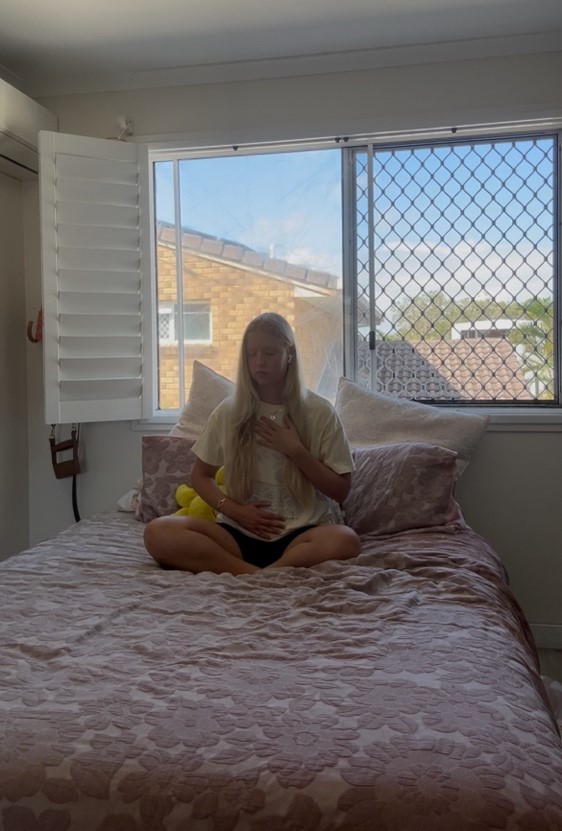
Mindfulness breathing is about anchoring your attention on the breath. You can guide your young person through a breathing exercise by first, finding a comfortable place to sit. Prompt your teen to take some deep breaths, before bringing their attention to their breath. Ask them to notice all of the sensations they are experiencing – how the air feels entering their nose, the temperature of the inhale and exhale, and the rise and fall of their belly.
When thoughts arise, encourage your teen to notice them, without getting caught up in them, and gently refocussing on their breath.
As you wrap up, ground your young person in the present moment by encouraging them to notice what they can see, hear, and feel. Afterwards, check in with your young person and encourage them to reflect on how they felt throughout the exercise – did they feel present? Did they notice thoughts popping up? How did their breath feel? There is no right or wrong, this is just about reflecting on your practice without judgement.
Support your teen to incorporate this into their daily life. It’s a science-backed way to reduce stress and anxiety.
For a full guided ‘Mindfulness breathing’ script, check out the MiiND website here, or an audio version here!
10. Body Scanning
A final mindfulness exercise to guide your young person through is a body scan. The aim of this practice is to help your teen explore how different parts of their body are feeling. While sitting or lying down in a comfy spot, encourage your young person to close their eyes and bring their attention to their body. Prompt them to take three deep breaths in through their nose and out through their mouth. Tell them to imagine that their body is being scanned from their toes to their head! Take about 10 seconds to focus on each body part, noticing any sensations in the area. If they notice tension, tell them to take a deep breath in, and imagine the tension melting away with the exhale. Start in the feet, before moving up to the ankles, calves, knees, etc. They might notice differences between the right and left side of their body.
When your teen notices their mind wandering, reassure them that this is okay! Prompt them to take a deep breath and gently re-focus on their body. Once you have moved through all of the body parts, encourage your teen to focus on how their entire body feels. Remind them to release any tension as they exhale.
When they are ready, prompt your teen to open their eyes. Reflect on the practice with your young person. Do they feel differently to before you started the practice? There is no right or wrong, this is just about reflecting and staying present to their bodily sensations in the moment.
Final Thoughts
Hopefully, after reading this, you will see that mindfulness doesn’t need to be time consuming or perfect – it can be incorporated into any activity, any day!
The bottom line is that it is all about getting out of that ‘autopilot’ mode and becoming fully aware of your senses in the present moment, without criticism or judgement. Whether it’s during a walk, a car ride, or a colouring session, these small pauses can make a big difference.
By helping your teen build these habits, you’re giving them lifelong tools to support their mental wellbeing.
For more inspiration—and to see these practices in action—check out our ‘MiiNDFULL Mondays’ video series on Instagram, Facebook, and TikTok.
We hope these activities bring a sense of calm, connection, and even a little fun to your everyday life!
Reviewed by Dinusha Cragg (BSocSc(Psych)(Hons), MPsych(Clin), MAPS), Ross Carlyon (BA, DipEd, Med Studies, DipSchoolAdmin) and Carmen Nielsen (BPsychSc(Hons), MProfPsych).