Life is an unpredictable adventure filled with ups and downs.
As a young person, your body, brain, social circles, and life are changing in big ways. These changes are mostly positive, preparing you for adulthood, but they can also make life stressful and impact your mental health. That’s why learning to manage this challenging period is so important! Being able to bounce back from challenges and handle life’s ups and downs is a key skill that can help you get through the storms that come your way. This skill is known as resilience, and it plays an important role in your overall well-being and mental health.
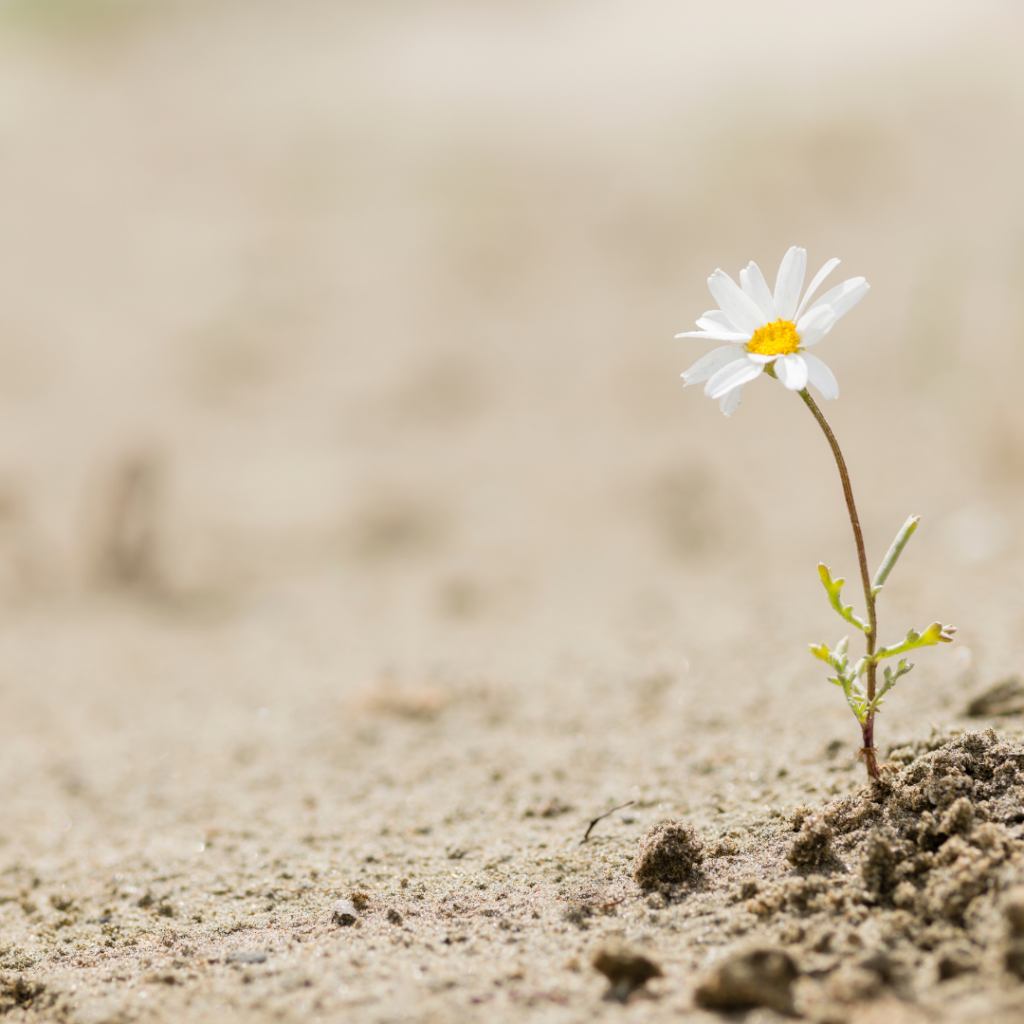
Being resilient doesn’t mean you won’t face storms or make mistakes—those are just parts of life. It simply means you have the strength to get up and try again, even after facing difficult times or setbacks.
Resilience is something you can learn and develop, like building a muscle—it gets stronger the more you use it. This workbook has been created specifically to help you build resilience!
Workbook Highlights
This guide is split into 6 scetions, each with different strategies to help you build resilience. You don’t need to try everything at once (it’s a lot!). Start with the strategies that feel right for you and focus on one at a time.
Building Healthy Habits
Healthy habits are the little things we do to take care of ourselves. Let’s be real. Building healthy habits can be a struggle! This section will focus on three key habits that support resilience: getting a good night’s sleep, moving your body, and eating a colourFULL diet. You'll find practical tips to make these habits part of your everyday routine.
Practising Gratitude
It’s so easy to get caught up in the negative things happening in our lives or the moments that aren’t going as planned. Practising gratitude can help shift our focus to the positives, big or small, in our lives. Studies show that gratitude can even rewire our brains, helping us become more resilient.
Building Self-Compassion
When life gets tough, showing yourself kindness and understanding can make a big difference. This section offers two evidence-based strategies to help you develop self-compassion, so you can be more gentle and supportive toward yourself, even on difficult days.
Mindfulness
Mindfulness helps us stay present, which can ease overwhelming thoughts and emotions. When life feels challenging, it’s natural to get caught up in worries or painful feelings, but mindfulness can help us ground ourselves in the moment. This section introduces simple, evidence-based mindfulness practices you can try.
Knowing Our Values
Identifying and living by your values is another way to build resilience. This section will guide you in becoming more aware of what truly matters to you and show you how to use your values as a compass when navigating life’s challenges.
Developing a Growth Mindset
A growth mindset is about viewing challenges as opportunities for learning rather than setbacks. People with a growth mindset are more likely to embrace obstacles and see mistakes as chances for growth. This section offers strategies to foster a growth mindset, which is a key element of resilience.
By engaging with each section at your own pace, you’ll discover tools and insights that can strengthen your resilience and equip you for life’s ups and downs.
You’ve got what it takes to get through anything life throws your way!